- Our Focus
Our Solution for Digital & Green Jobs
We promote inclusive digital and green jobs pathways that equip women and youth with practical, market-relevant skills while addressing the structural barriers that limit access, participation, and advancement. Our approach intentionally targets informal, rural, and low-productivity sectors, where the majority of poor and marginalized people work, ensuring that economic transformation leaves no one behind.
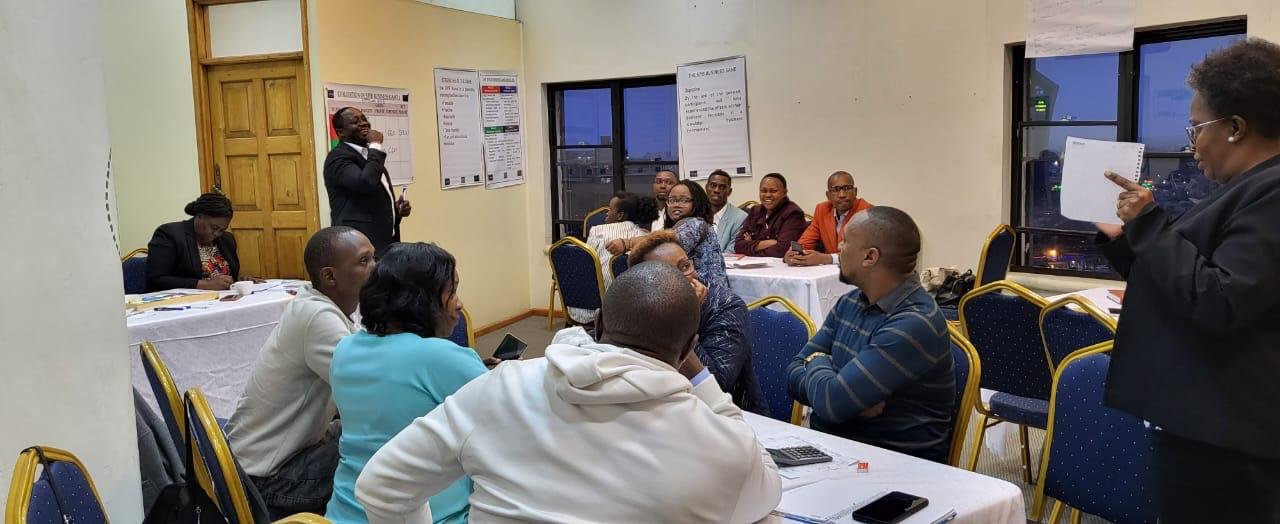
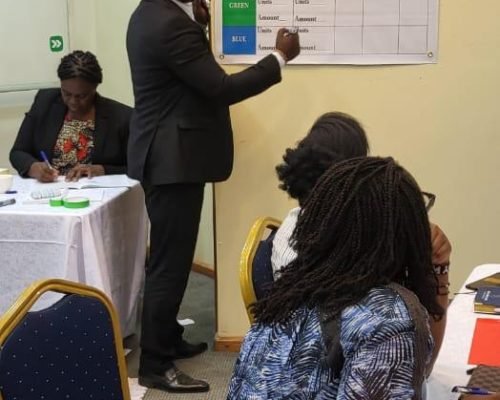
At the foundation of our work is digital literacy and vocational training. We deliver tiered digital skills programs that range from basic digital literacy such as smartphone use, internet navigation, digital safety, and mobile applications to more advanced vocational and technical training linked to income-generating activities. These programs are tailored for rural communities, agricultural workers, informal traders, and youth with limited formal education, enabling them to adopt digital tools that improve productivity, efficiency, and market access.
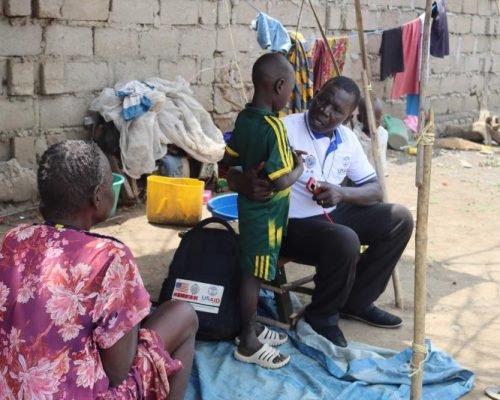
To translate skills into income, HopeChild, Inc. supports digitally enabled informal work and mobile finance. We facilitate access to mobile money platforms, digital savings mechanisms, and online marketplaces that allow women and youth to conduct transactions, manage finances, and access financial information safely and affordably. In Ituri, Democratic Republic of Congo, we have established community-based digital access and savings groups where members pool resources to acquire smartphones and internet access. Through this model, over 6000 women and youth now access financial education, digital services, and mobile money systems strengthening economic participation in fragile settings.
Our digital inclusion efforts are reinforced through public private partnerships across the digital ecosystem. By collaborating with technology providers, training institutions, and private sector actors, we align skills development with real market demand and promote sustainable digital transformation. These partnerships help expand connectivity, reduce costs, and support long-term structural change through equitable digital uptake and gender inclusion.
In parallel, HopeChild, Inc. advances green jobs and clean energy livelihoods that link economic empowerment with climate action. We train women and youth in climate-smart agriculture, renewable energy technologies, eco-innovation, and green enterprise development. Our clean energy programs include hands-on training in fabricating energy-efficient cookstoves, producing eco-friendly briquettes, and installing, selling, and maintaining solar technologies. These skills not only generate income but also reduce environmental degradation, household energy costs, and reliance on harmful fuels.
In Kenya and South Sudan, our green jobs initiatives have enabled women and youth to enter clean energy value chains traditionally dominated by men. In Kiambu and Nairobi counties, more than 350 women and youth are actively engaged in the sale and marketing of solar technologies, reporting increased income, confidence, and professional mobility. Our programs are designed with gender-responsive features, including flexible training schedules, childcare-sensitive approaches, mentorship, and peer support ensuring that young mothers and women with care responsibilities can participate fully.
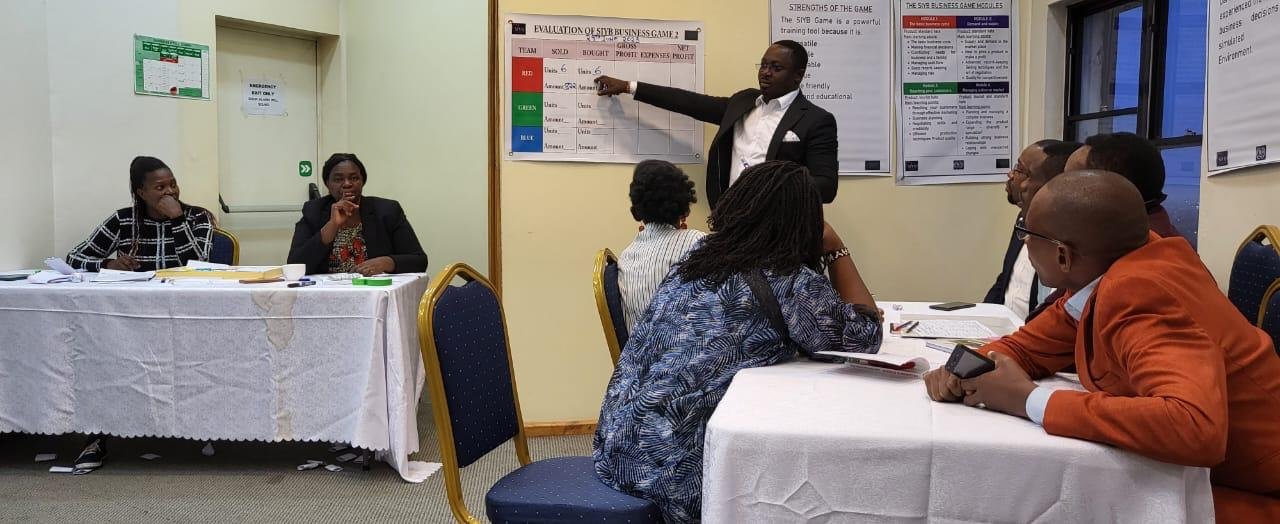
To support sustainability and scale, HopeChild, Inc. integrates green enterprise development and private-sector partnerships into all digital and green jobs programming. Participants receive entrepreneurship training, market linkages, mentorship, and access to finance, enabling them to grow viable micro and small enterprises within the digital and green economy. By linking skills training with enterprise support and employer engagement, we move beyond short-term training to create durable livelihoods and inclusive economic systems.
Through this integrated approach, HopeChild, Inc. is building a future where women and youth are not passive beneficiaries of the digital and green transitions but active leaders, innovators, and drivers of inclusive growth.

2030 Reach Target