- Our Focus
Our Solution for AgriTech & Climate-Smart Food Systems
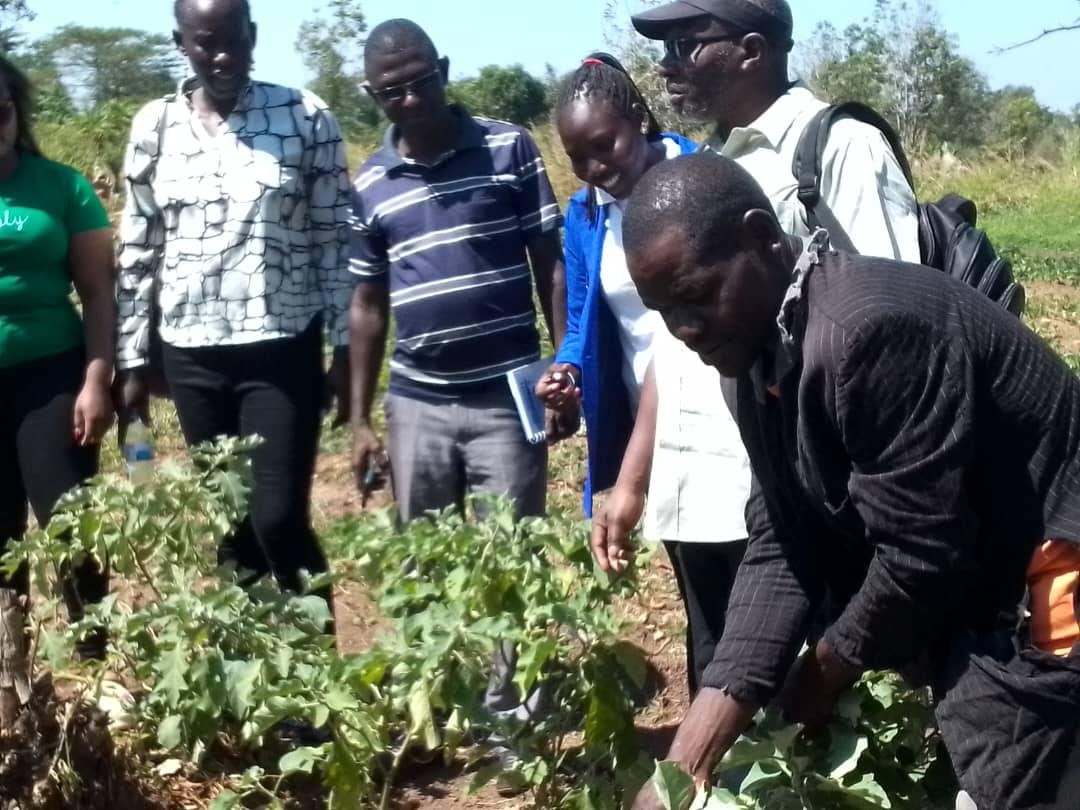
HopeChild, Inc. advances inclusive, climate-smart AgriTech systems that integrate solar-powered cold storage, sustainable energy, and strengthened agricultural value chains to reduce post-harvest losses, increase farmer incomes, create green jobs, and improve food and nutrition security.
Our approach focuses on vegetables, fruits, cereals, milk, and meat value chains, targeting smallholder farmers, women’s groups, youth agripreneurs, cooperatives, pastoralist communities, and displaced populations across fragile and climate-vulnerable contexts.
Solar-Powered Cold Rooms & Clean Energy Infrastructure
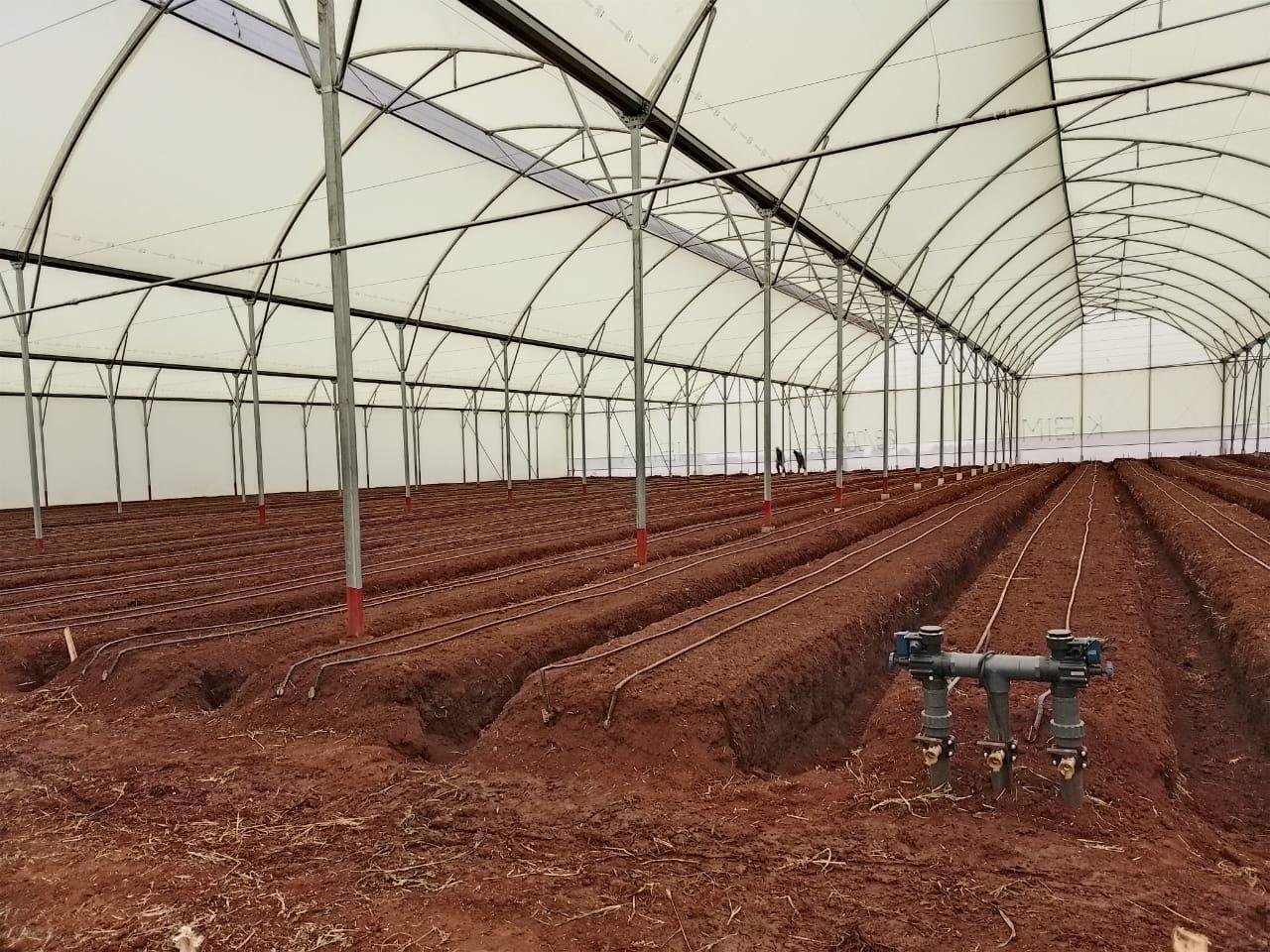
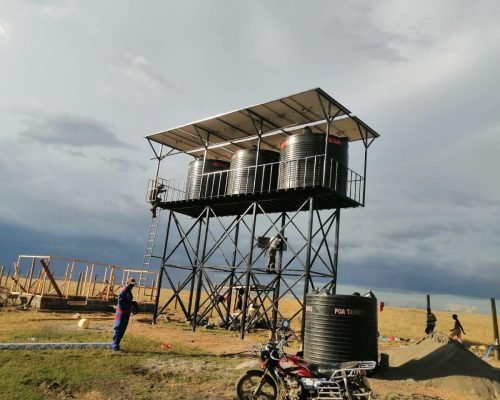
At the core of our AgriTech model is the deployment of solar-powered cold rooms and mini cold-chain hubs in rural production zones and peri-urban markets. These systems provide affordable, off-grid refrigeration for fresh produce, milk, meat, and fish—eliminating dependence on unreliable grids or diesel generators.
Key interventions include:
- – Installation of solar-powered cold storage units for farmer groups, cooperatives, and women-led enterprises
- – Milk chilling centers powered by solar energy to improve quality, reduce spoilage, and enable formal market access
- – Cold rooms at aggregation and market points to extend shelf life and stabilize prices
- – Training local youth as solar technicians and cold-chain operators, creating green jobs and ensuring sustainability
These systems enable farmers to store produce safely, sell at optimal times, access higher-value markets, and reduce distress sales directly increasing incomes and food availability.
- Strengthening Agricultural Value Chains
- – HopeChild, Inc. adopts a value chain–wide approach, addressing constraints from production to consumption. For each priority commodity vegetables, fruits, cereals, milk, and meat—we support:
- – Production upgrading through climate-smart agriculture, improved seeds, water-efficient practices, and livestock health support
- – Aggregation and bulking via farmer cooperatives and collection centers
- – Post-harvest handling and storage using solar cold rooms and improved handling practices
- – Processing and value addition, including drying, packaging, dairy processing, and meat preservation
- – Market linkages connecting producers to urban markets, institutional buyers, school feeding programs, and cross-border trade
Women and youth are intentionally supported to move into higher-value segments—processing, cold-chain management, logistics, and agribusiness services—rather than remaining confined to low-return production.
- Digital Agriculture & Market Systems
- – To complement physical infrastructure, HopeChild, Inc. integrates digital tools that improve efficiency, transparency, and inclusion across value chains. These include:
- – Digital market information systems providing real-time pricing and demand data
- – Mobile platforms for aggregation scheduling, storage booking, and inventory tracking
- – Mobile money and digital payments to improve financial inclusion and reduce transaction costs
- – Traceability systems to improve food safety and access to formal markets
Digital solutions are designed for low-literacy and low-connectivity contexts, ensuring accessibility for rural women and youth.
- Women- and Youth-Centered Agripreneurship
HopeChild, Inc. places women and youth at the center of AgriTech transformation. Our programming includes:
- – Business and entrepreneurship training tailored to agri-value chains
- – Access to savings groups, revolving funds, and blended finance for equipment and working capital
- – Flexible, gender-responsive training schedules and childcare-sensitive design
- – Leadership development for women within cooperatives and producer organizations
Youth are engaged as AgriTech entrepreneurs, solar technicians, cold-room managers, transport coordinators, digital agents, and value-chain service providers—making agriculture modern, profitable, and aspirational.
- Nutrition, Food Security & Climate Resilience
By reducing post-harvest losses and stabilizing supply, HopeChild, Inc.’s AgriTech model improves availability and affordability of nutritious foods—vegetables, fruits, milk, and protein—especially for vulnerable households.
Our work contributes to:
- – Improved household nutrition and dietary diversity
- – Reduced food waste and emissions
- – Enhanced resilience to climate shocks through diversified income and storage capacity
- – Lower carbon footprints through renewable energy use
- Partnerships & Systems Change
HopeChild, Inc. works in partnership with:
- – Local governments and extension services
- – Private-sector energy and AgriTech providers
- – Financial institutions and impact investors
- – Development partners and humanitarian actors
Our goal is not standalone projects, but scalable, system-level transformation that aligns clean energy, agriculture, jobs, and climate action.

2030 Reach Target
By 2030, HopeChild, Inc. aims to:
- Support 150,000 farmers, women, and youth across AgriTech value chains
- Reduce post-harvest losses by 30–50% in targeted commodities
- Enable 5,000+ green and AgriTech jobs for youth
- Improve incomes for 100,000 smallholder households
- Expand access to clean, solar-powered cold-chain infrastructure across priority regions