- Our Focus
Our Solution for Climate Change & Environmental Resilience
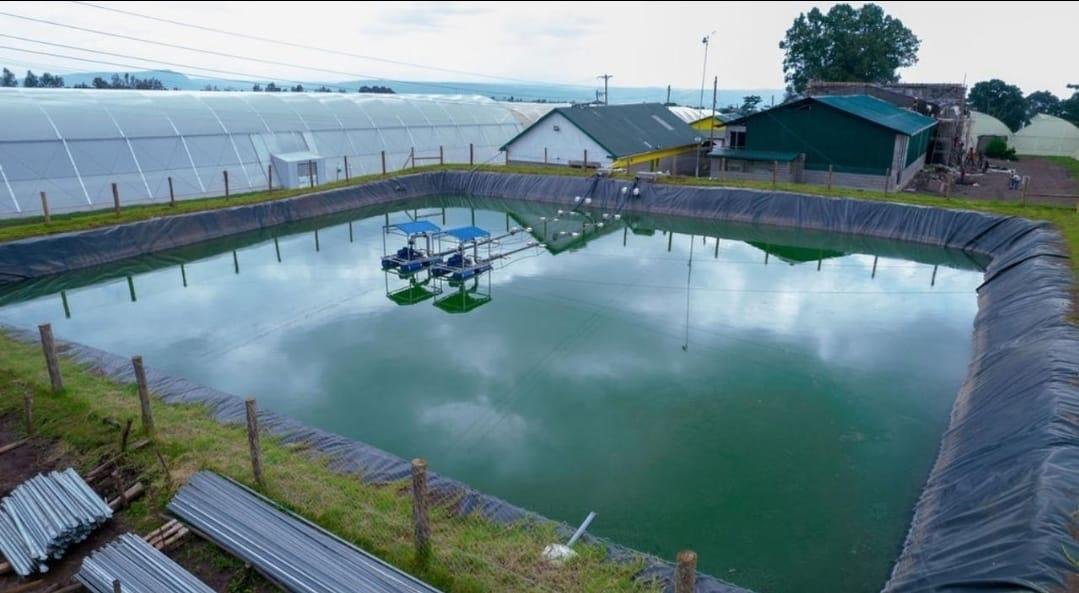
We integrate climate adaptation, ecosystem restoration, and community-led conservation into its humanitarian and development programming. Our approach recognizes that climate resilience must be locally owned, environmentally sustainable, and economically viable to achieve lasting impact.
We support ecosystem restoration initiatives, including tree planting, land rehabilitation, wetland and peatland restoration, and biodiversity protection. These interventions restore degraded environments while strengthening natural systems that regulate water cycles, improve soil fertility, and reduce vulnerability to droughts and floods. Conservation activities are paired with environmental education and advocacy, ensuring communities understand the long-term value of protecting their ecosystems.
A core pillar of our work is community stewardship and indigenous leadership. HopeChild, Inc. equips local communities especially women and youth with skills, tools, and governance structures to manage and protect natural resources sustainably. Through training in climate-smart land use, sustainable agriculture, and conservation practices, communities are empowered to become custodians of the ecosystems that sustain their livelihoods.
In South Sudan, HopeChild, Inc. works with local communities in the Sudd Wetlands, the largest tropical wetland in the world and a critical ecological system for the Nile Basin. The Sudd supports hundreds of plant, animal, bird, and fish species and underpins livelihoods through fishing, grazing, and agriculture. Our interventions focus on peatland restoration, tree planting, wetland conservation, and climate awareness, while supporting alternative livelihoods that reduce pressure on fragile ecosystems.
By linking conservation with income generation such as eco-friendly enterprises, sustainable agriculture, and natural resource management HopeChild, Inc. ensures that environmental protection contributes directly to household resilience and economic security. Our climate work strengthens community resilience, protects biodiversity, and contributes to climate mitigation while safeguarding livelihoods in some of the most climate-vulnerable regions of Africa.

2030 Reach Target
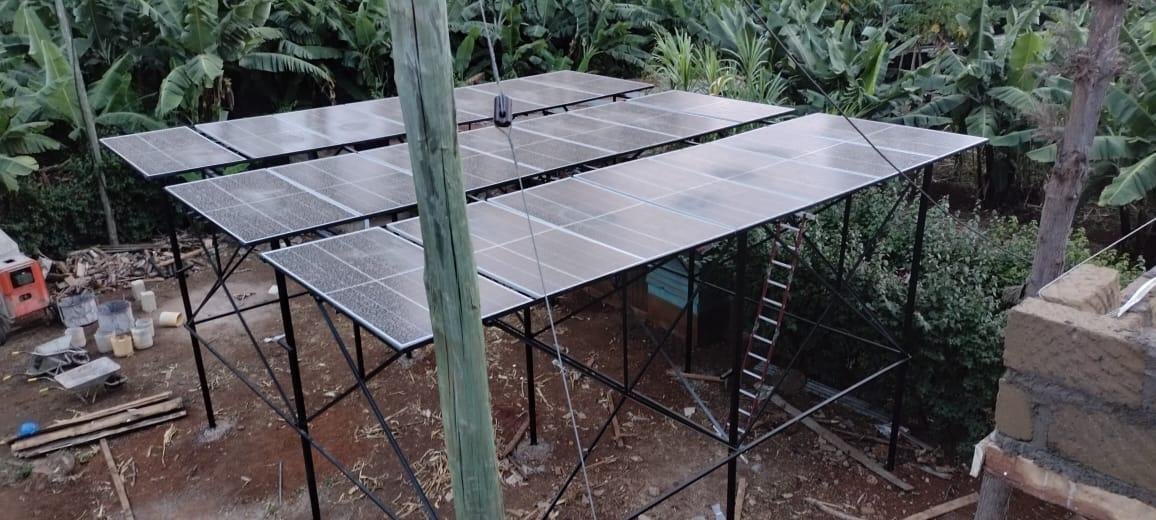
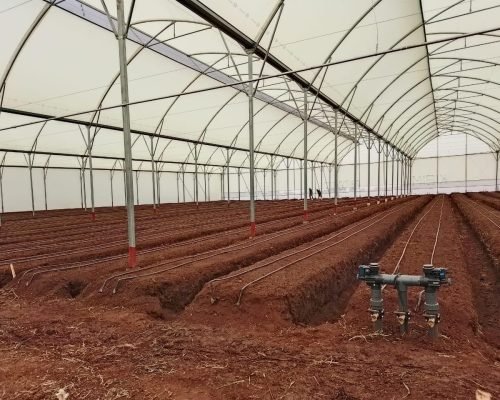
120,000 people supported with climate resilience, ecosystem restoration, and adaptation solutions by 2030.