- Our Focus
Our Solution for HIV & AIDS Prevention, Care, and Empowerment
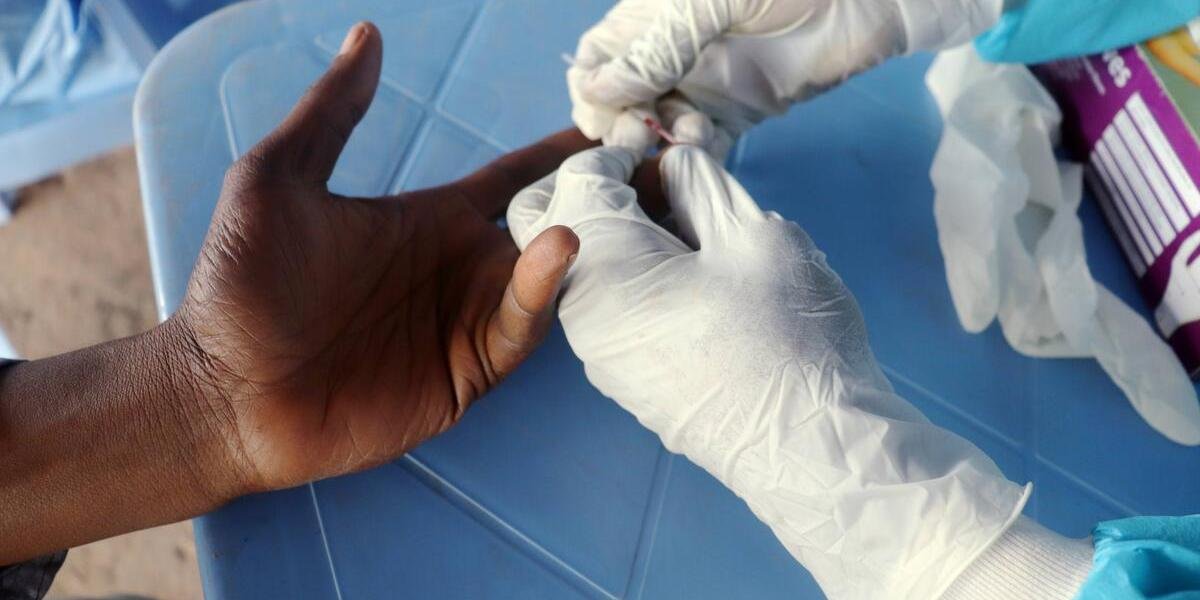
We believe that ending HIV and AIDS is not only a public health imperative but a social justice mission. Our HIV & AIDS Prevention, Care, and Empowerment thematic area adopts a holistic, people-centered, and community-driven approach that integrates biomedical, behavioral, and structural interventions. We work at the intersection of health, protection, livelihoods, and humanitarian response to address both the immediate and root causes of HIV vulnerability.
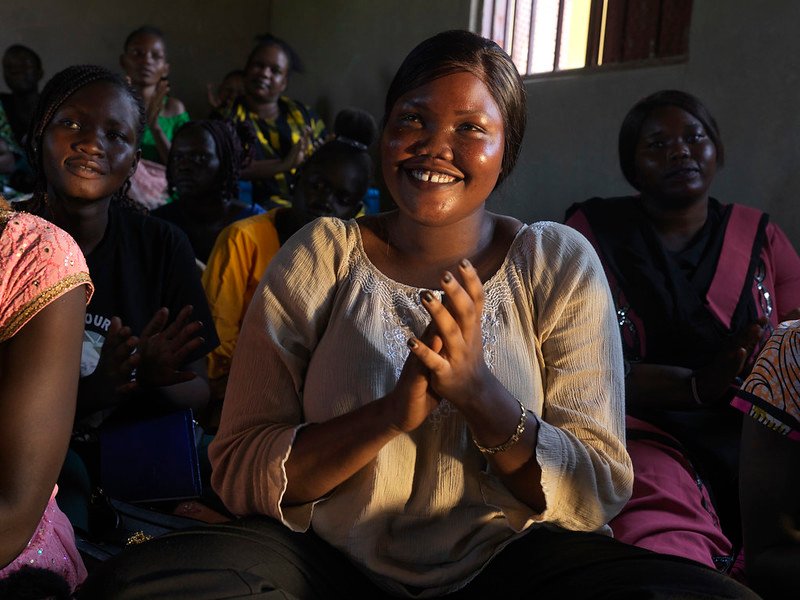
At the core of our approach is community-based prevention and education. HopeChild, Inc. delivers age-appropriate, culturally sensitive HIV and SRHR education through schools, youth clubs, safe spaces, and community forums. We train peer educators particularly adolescents and young adults to lead open, stigma-free conversations on HIV prevention, testing, treatment, consent, and healthy relationships. By empowering young people as educators and advocates, we increase uptake of services while shifting harmful norms that perpetuate silence and risk.
Sub-Saharan Africa remains the epicenter of the global HIV epidemic, carrying a disproportionate share of the global burden. An estimated 25.6 million people are currently living with HIV in the region, accounting for more than 65% of all global cases. Despite significant progress over the past two decades, the region continues to record approximately 670,000 new HIV infections each year, underscoring persistent gaps in prevention, testing, and treatment coverage.
The epidemic is deeply shaped by inequality. Adolescent girls and young women aged 15–24 account for nearly 60% of new infections in Eastern and Southern Africa, driven by gender inequality, limited access to sexual and reproductive health information, early marriage, gender-based violence, and economic vulnerability. Young men, while less likely to access testing and treatment services, often present late for care due to stigma, harmful masculinity norms, and limited youth-friendly services.
In fragile and conflict-affected settings, the situation is further compounded. Armed conflict, displacement and humanitarian crises disrupt health systems, interrupt treatment continuity, and limit access to prevention and care. Refugees, internally displaced persons (IDPs), and mobile populations often fall outside national health systems, increasing the risk of undiagnosed infections and treatment interruption. Survivors of gender-based violence face heightened vulnerability to HIV infection, yet frequently lack access to timely post-exposure prophylaxis (PEP), psychosocial support, and legal protection.
Stigma and discrimination remain powerful barriers across the HIV response. Fear of disclosure, misinformation, and social exclusion continue to discourage testing, delay treatment initiation, and undermine adherence particularly among adolescents, women, and key and marginalized populations. Without integrated, community-led, and rights-based responses, these structural challenges will continue to fuel new infections and prevent progress toward epidemic control.
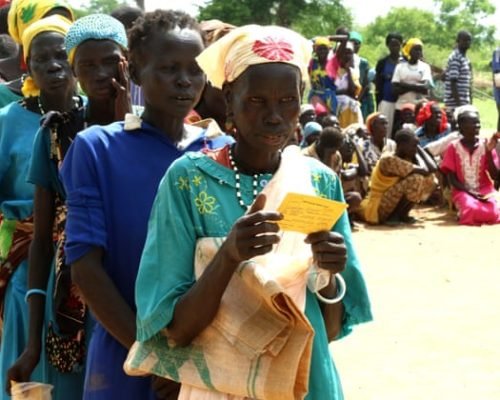
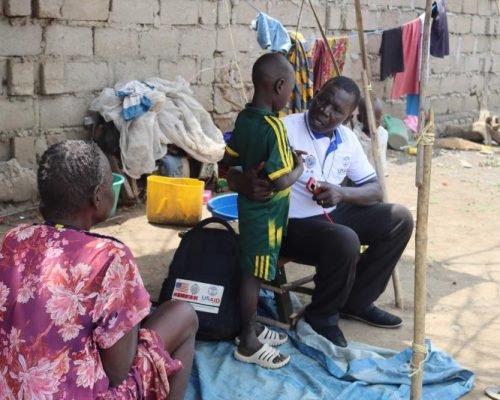
We expand access to HIV testing and counselling (HTS) through mobile outreach, community-led testing campaigns, and integration within broader health, GBV, and humanitarian services. Our mobile and outreach models are designed to reach underserved populations, including youth in informal settlements, rural communities, refugees, and displaced populations. Testing services are confidential, non-judgmental, and linked to strong referral systems to ensure continuity of care.
We place strong emphasis on treatment initiation, retention, and adherence support. We work with community health workers, local clinics, and partners to ensure that people diagnosed with HIV are promptly linked to antiretroviral therapy (ART). For adolescents and young people, we provide tailored adherence support, peer mentorship, and psychosocial counselling to address challenges such as treatment fatigue, disclosure anxiety, and mental health stressors. Our interventions are designed to reduce loss to follow-up and improve viral suppression outcomes.
Recognizing the strong link between HIV, gender-based violence, and inequality, we integrate HIV services within GBV prevention and response programming. Survivors of sexual violence are supported with timely HIV testing, PEP, trauma-informed counselling, and referral to medical, legal, and protection services. Safe spaces for women and girls provide ongoing psychosocial support, SRHR education, and empowerment opportunities that reduce vulnerability to future harm.
In fragile and humanitarian contexts, HopeChild, Inc. embeds HIV services within WASH, food security, livelihoods, and displacement response programs. Linking HIV-positive households to nutrition support, cash assistance, and livelihood opportunities strengthens treatment adherence, improves health outcomes, and enhances household resilience. This integrated approach ensures that HIV services remain accessible even during crises and displacement.
Our work is aligned with the UNAIDS 95–95–95 targets and supports health systems strengthening through community health worker training, digital data collection, referral tracking, and accountability mechanisms. We leverage digital tools including SMS reminders, digital education campaigns, and mobile data systems to improve outreach, adherence, and real-time monitoring of service delivery.
Above all, we center dignity, inclusion, and lived experience. We actively combat stigma through community dialogues, faith and traditional leader engagement, storytelling, and youth-led advocacy. By fostering informed, supportive, and resilient communities, we help transform HIV from a hidden crisis into a shared responsibility.

2030 Reach Target