- Our Focus
Our Solution for Sexual and Reproductive Health and Rights (SRHR)
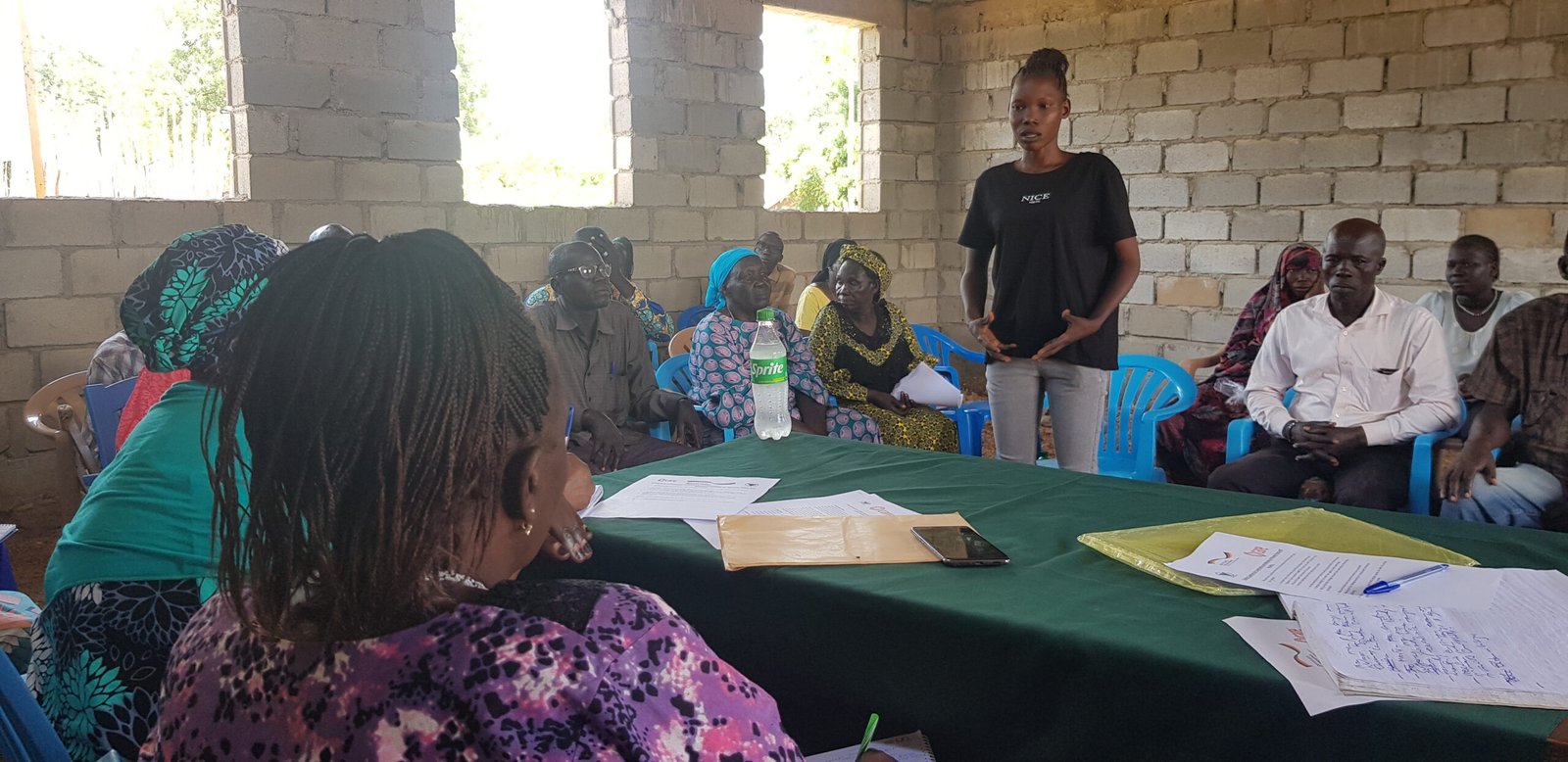
We advance sexual and reproductive health and rights through an integrated, rights-based, and gender-transformative approach that places dignity, choice, and bodily autonomy at the center of development and humanitarian programming. Our work goes beyond service delivery to address the social, legal, and systemic barriers that prevent individuals especially women, girls, and marginalized populations from exercising their rights.
We expand access to comprehensive SRHR information and services through community-based delivery models, mobile outreach, and partnerships with public and private health providers. Our interventions include family planning counseling and referrals, antenatal and postnatal care linkages, HIV and STI prevention and testing, cervical cancer awareness, and post-rape care. Services are delivered in ways that are confidential, culturally appropriate, and responsive to the needs of adolescents, persons with disabilities, and displaced populations.
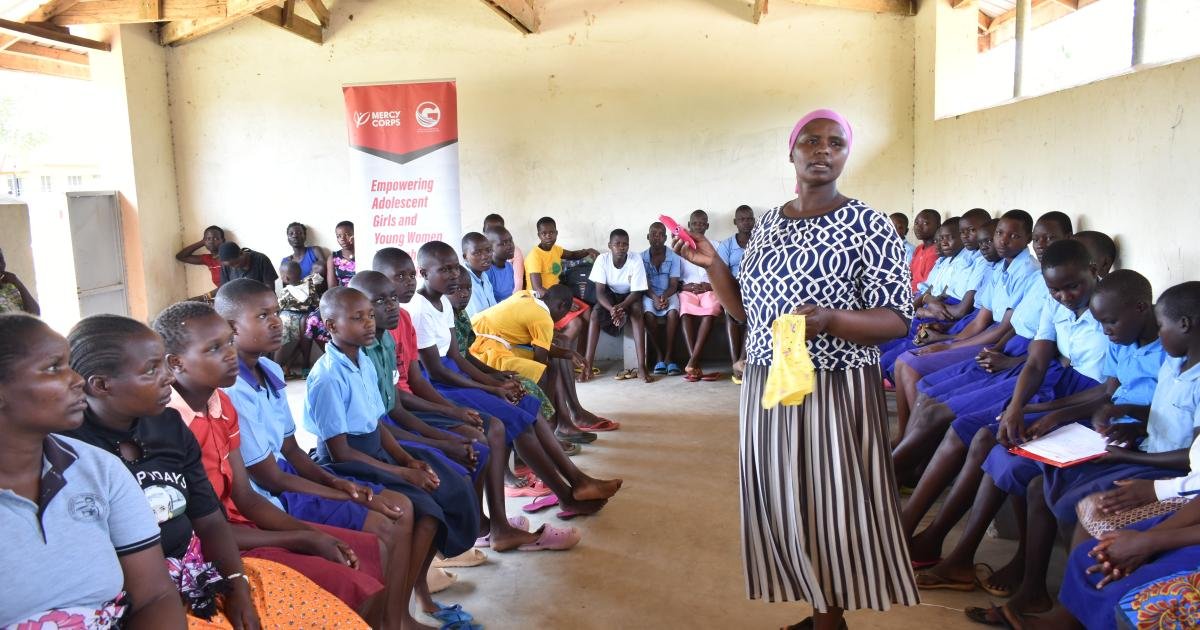
Comprehensive Sexuality Education (CSE) is a cornerstone of our approach. We deliver age-appropriate, evidence-based CSE in schools and community settings, equipping adolescents and young people with knowledge on consent, contraception, healthy relationships, and gender equality. Peer educators and youth leaders play a central role in facilitating dialogue, reducing stigma, and extending reach.
HopeChild, Inc. integrates SRHR with GBV prevention and response, ensuring survivors of sexual violence can access timely medical care, psychosocial support, and legal referrals. We strengthen referral pathways between health facilities, protection actors, and justice systems to ensure continuity of care and accountability.
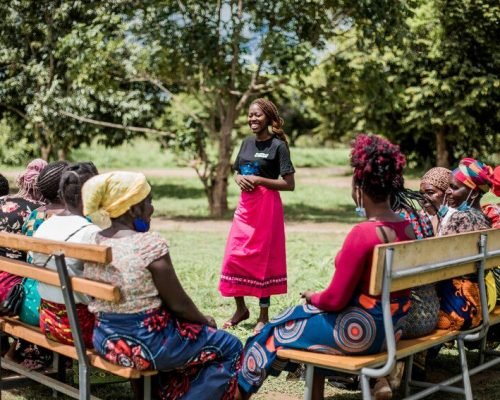
We actively engage men and boys to promote positive masculinity, shared responsibility for reproductive health, and support for women’s autonomy. Community dialogues with parents, elders, and religious leaders address harmful norms while fostering local ownership and sustainability.
Systems strengthening is central to our SRHR work. We build the capacity of frontline health workers to deliver youth-friendly, rights-based care and support community health structures to improve outreach, data collection, and accountability. We support grievance redress mechanisms and community feedback systems, ensuring services are responsive and respectful.
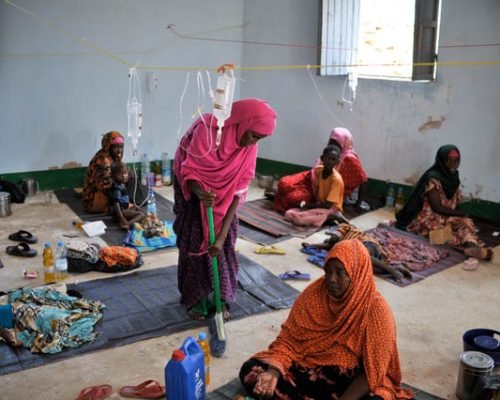
In humanitarian and fragile contexts, HopeChild, Inc. aligns its interventions with the Minimum Initial Service Package (MISP) for reproductive health, ensuring continuity of care during crises. By integrating SRHR with education, livelihoods, social protection, and humanitarian response, we enable individuals and communities to exercise their rights, improve health outcomes, and break intergenerational cycles of inequality.

2030 Reach Target